
The cultivation of cannabis has evolved significantly over the years, adapting to legal, technological, and market changes. Among the most significant decisions for cannabis growers is the choice between indoor and outdoor cultivation facilities. This choice impacts not only the operational aspects of cultivation, including costs and staffing but also the quality and characteristics of the final product. Understanding these differences is crucial for both new and experienced growers, as well as investors in the cannabis industry.
Indoor cultivation facilities offer growers complete control over the environment in which their cannabis plants grow. This includes the ability to regulate temperature, humidity, light cycles, and CO2 levels, creating the perfect conditions for optimal growth and potency. The controlled environment also significantly reduces the risk of pests and diseases. However, this level of control comes at a high cost. The initial setup for indoor cultivation requires significant investment in lighting, climate control systems, and infrastructure. Operating costs are also higher due to the need for continuous lighting, air conditioning, and dehumidification. These facilities typically demand more skilled labor for technical operations and constant monitoring, increasing staffing needs and operational costs.
On the other hand, outdoor cultivation takes advantage of the natural environment, relying on sunlight and the earth’s natural nutrients. This significantly reduces operating costs since there is less need for artificial lighting, temperature control, and irrigation systems. Outdoor farms tend to require less technical staffing, as many of the plants’ needs are met by nature. However, outdoor cultivation comes with its own set of challenges, including vulnerability to pests, diseases, and the unpredictability of weather. These factors can lead to inconsistent crop results and may impact the timing and volume of harvests. Moreover, outdoor cultivation is subject to seasonal cycles, limiting growers to one or two harvests per year, depending on the location.
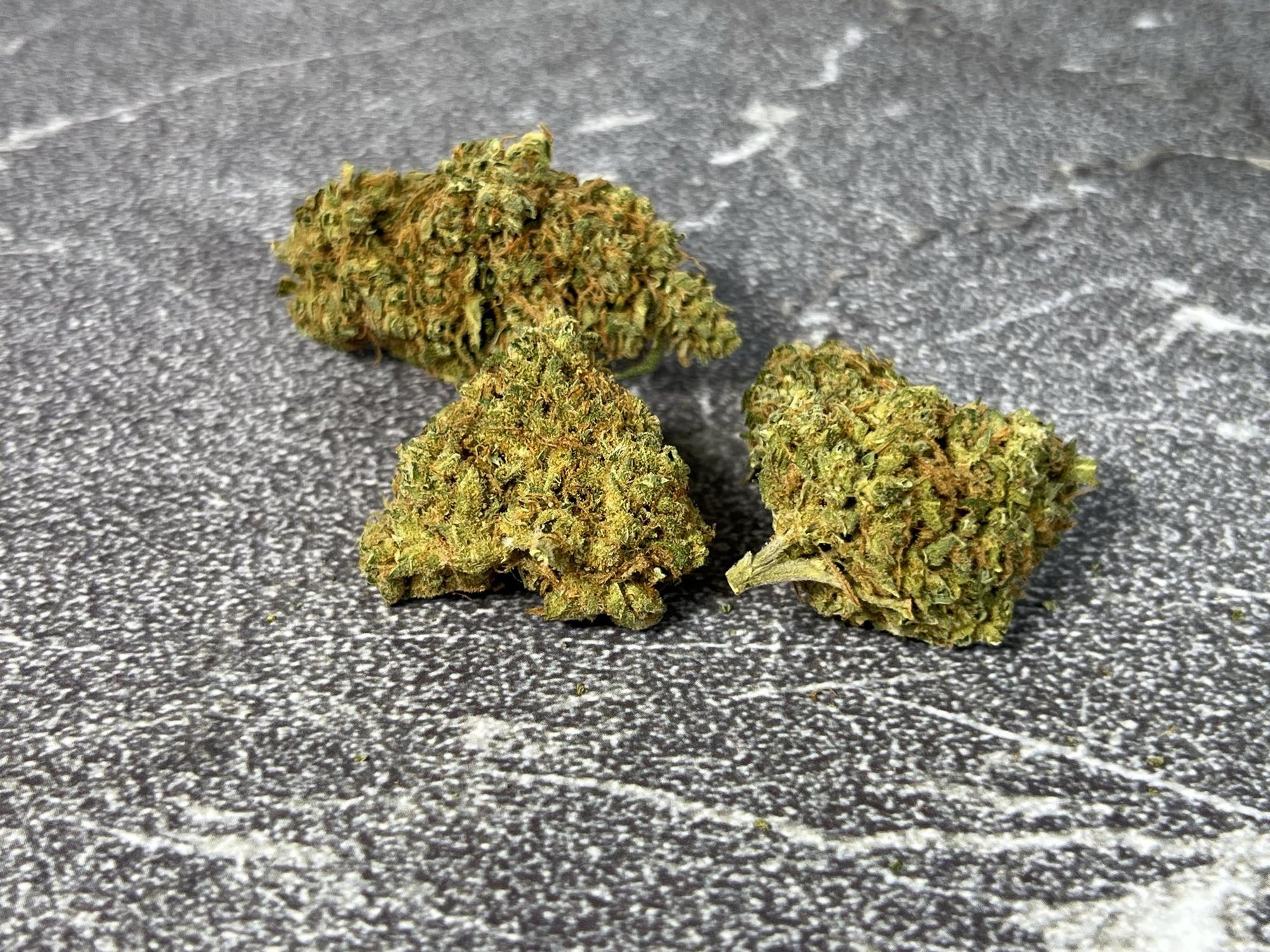
Crop results between indoor and outdoor cultivation can vary significantly. Indoor cultivation, with its ability to control growing conditions meticulously, often produces cannabis of higher potency and consistency. The buds tend to be denser, more aromatic, and have a higher THC content compared to those grown outdoors. However, outdoor cultivation can produce cannabis that many argue possesses a more complex terpene profile due to the plant’s interaction with a natural environment, leading to unique flavors and effects.
The choice between indoor and outdoor cultivation depends on several factors, including the grower’s objectives, the target market, and available resources. Indoor cultivation is often favored by growers looking for high-quality, consistent products that can fetch a premium price. It’s also suitable for regions with harsh climates not conducive to outdoor farming. Outdoor cultivation, however, may appeal to those aiming for a more sustainable and cost-effective operation, with products that appeal to consumers interested in the natural qualities of cannabis.
In conclusion, both indoor and outdoor cannabis cultivation have their pros and cons. Indoor facilities offer control and consistency but at a higher operational cost and environmental impact. Outdoor cultivation is more environmentally friendly and cost-effective but comes with greater risks and variability in crop results. The choice between the two methods should be informed by a comprehensive analysis of each grower’s specific conditions, goals, and the demands of the cannabis market they wish to serve.