

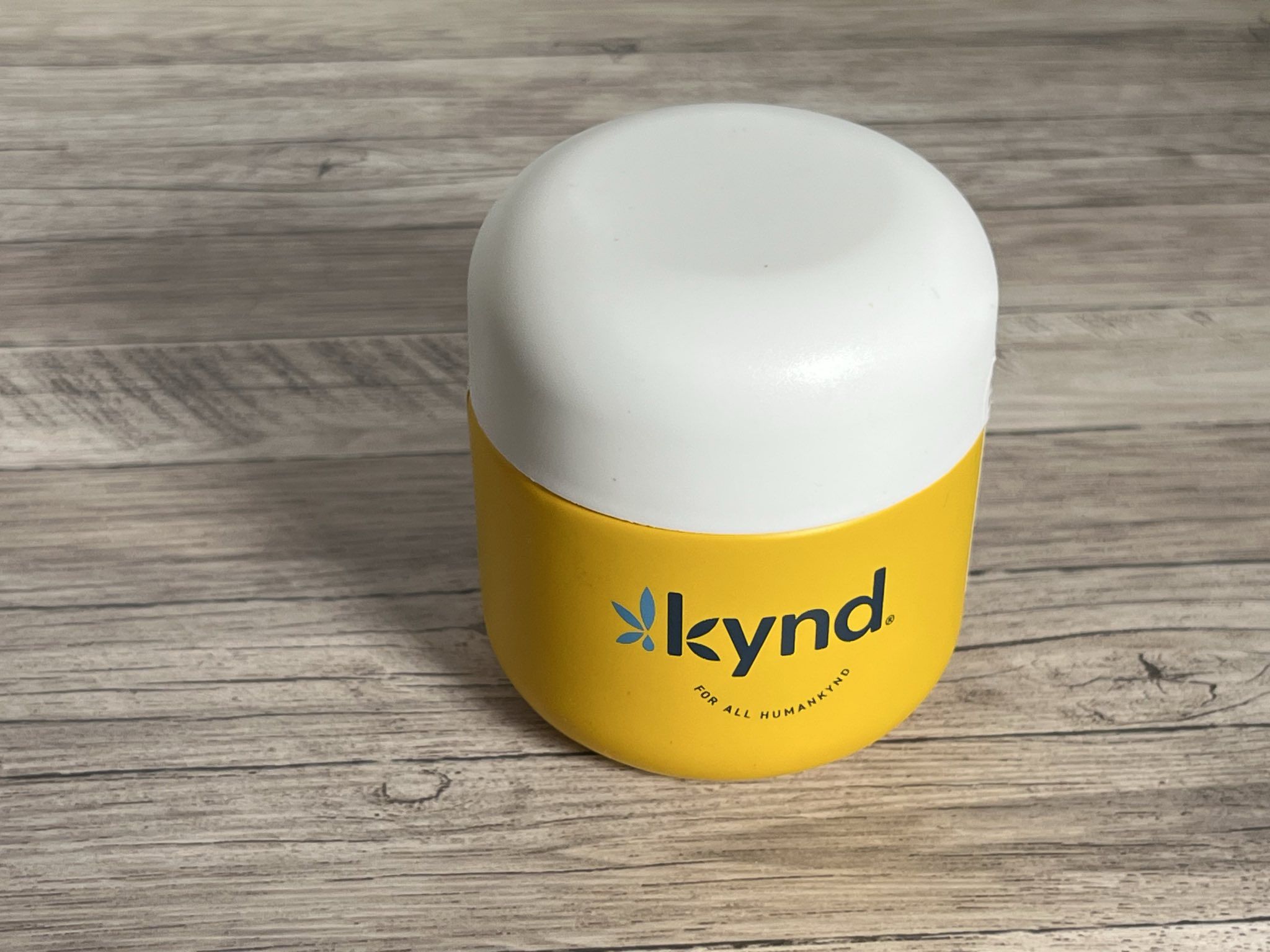
Florida’s medical cannabis market is unique compared to other states, primarily due to its vertically integrated structure. This system requires licensed dispensaries to cultivate, process, and sell their own cannabis products rather than sourcing from independent brands. As a result, major dispensaries such as Trulieve, Surterra, and Curaleaf primarily stock their in-house brands, limiting the variety of third-party products available to medical patients. While this model ensures consistency in quality control and supply chain management, it also raises concerns about product diversity and consumer choice.
One of the biggest reasons Florida dispensaries favor their own brands is state law, which mandates vertical integration. Unlike in many other states where dispensaries can source products from independent growers and manufacturers, Florida’s medical marijuana treatment centers (MMTCs) must handle all aspects of the supply chain. This requirement forces companies like Trulieve, which operates numerous grow facilities across the state, to rely on their own product lines rather than featuring third-party brands. This not only allows these companies to maximize profits but also creates a high barrier to entry for smaller cannabis businesses looking to compete in the market.
From a business standpoint, selling only in-house brands allows dispensaries to maintain complete control over pricing, branding, and production standards. By keeping everything within their ecosystem, companies can fine-tune strains, product formulations, and delivery methods to cater to their patient base without external competition. However, this also means that Florida patients have fewer options compared to consumers in states like California or Colorado, where dispensaries feature products from a wide array of independent cultivators and manufacturers.
That said, some dispensaries in Florida have started introducing limited third-party products, particularly in categories like vaporizers, edibles, and concentrates. Despite this shift, the overall market remains dominated by in-house products due to state regulations and corporate strategy. Until Florida transitions to a more open cannabis market—whether through legislative reform or recreational legalization—the state’s dispensaries will continue to prioritize their own brands, reinforcing their grip on the industry while limiting consumer access to a broader range of cannabis products.